According to a recent survey by Colliers, the industrial real estate market in the Czech Republic continues its recovery. After last year’s downturn and a slower start to this year, the sector recorded strong growth in Q3 2025, with a total of 130,800 sqm of new space completed, bringing the total market size to almost 12.9 million sqm. Approximately 2.8 million sqm are currently in the permitting or preparation phase, and another 2.6 million sqm are awaiting zoning or building permits. Altogether, this represents enormous potential. Demand is also growing: by a third above the five-year average. In contrast, the highest achievable rent has remained stable for the fifth quarter in a row. Investments in industrial real estate also accounted for a significant portion of capital flows, with industrial real estate accounting for a full 31 percent of all transactions this year.
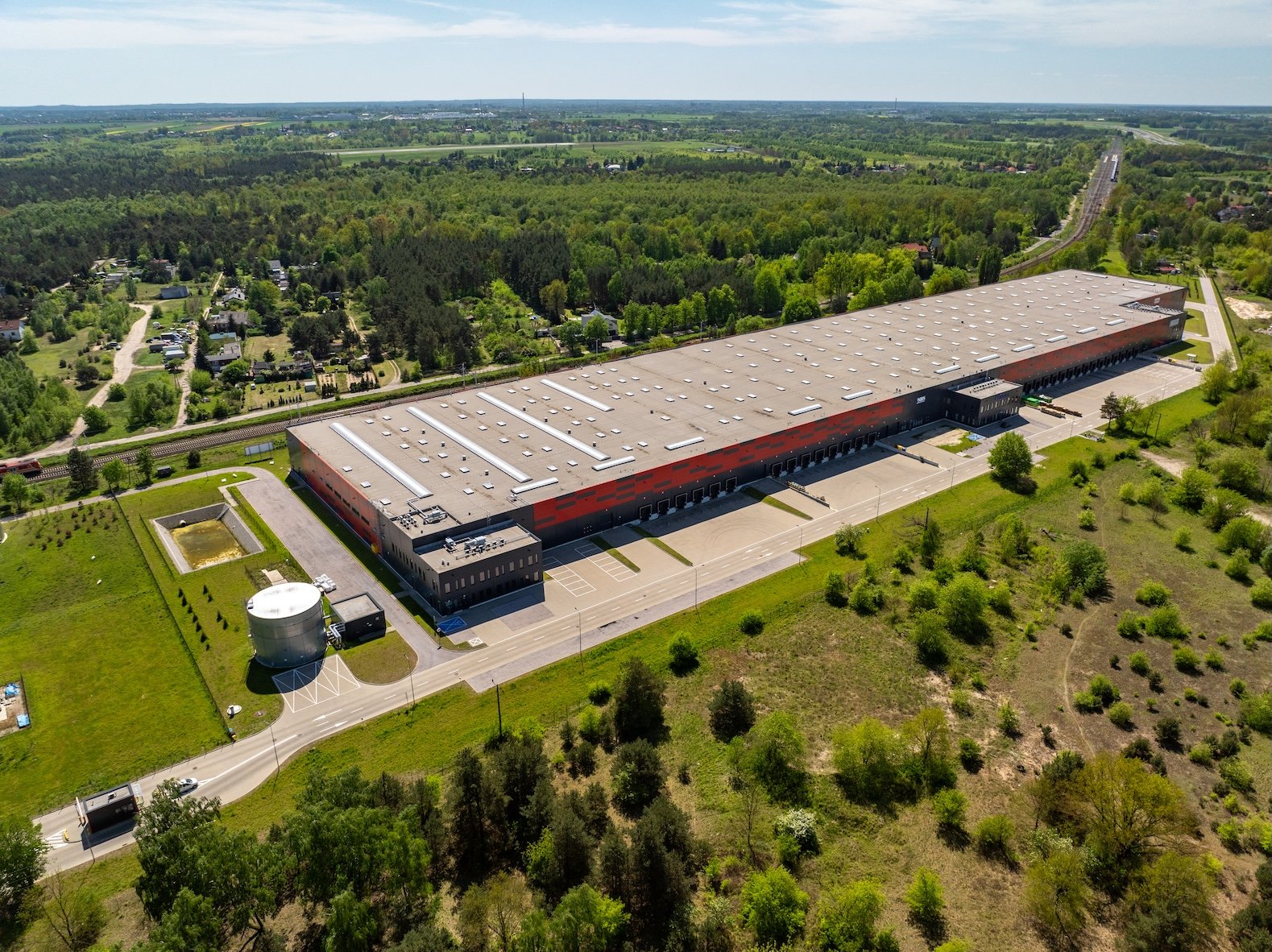
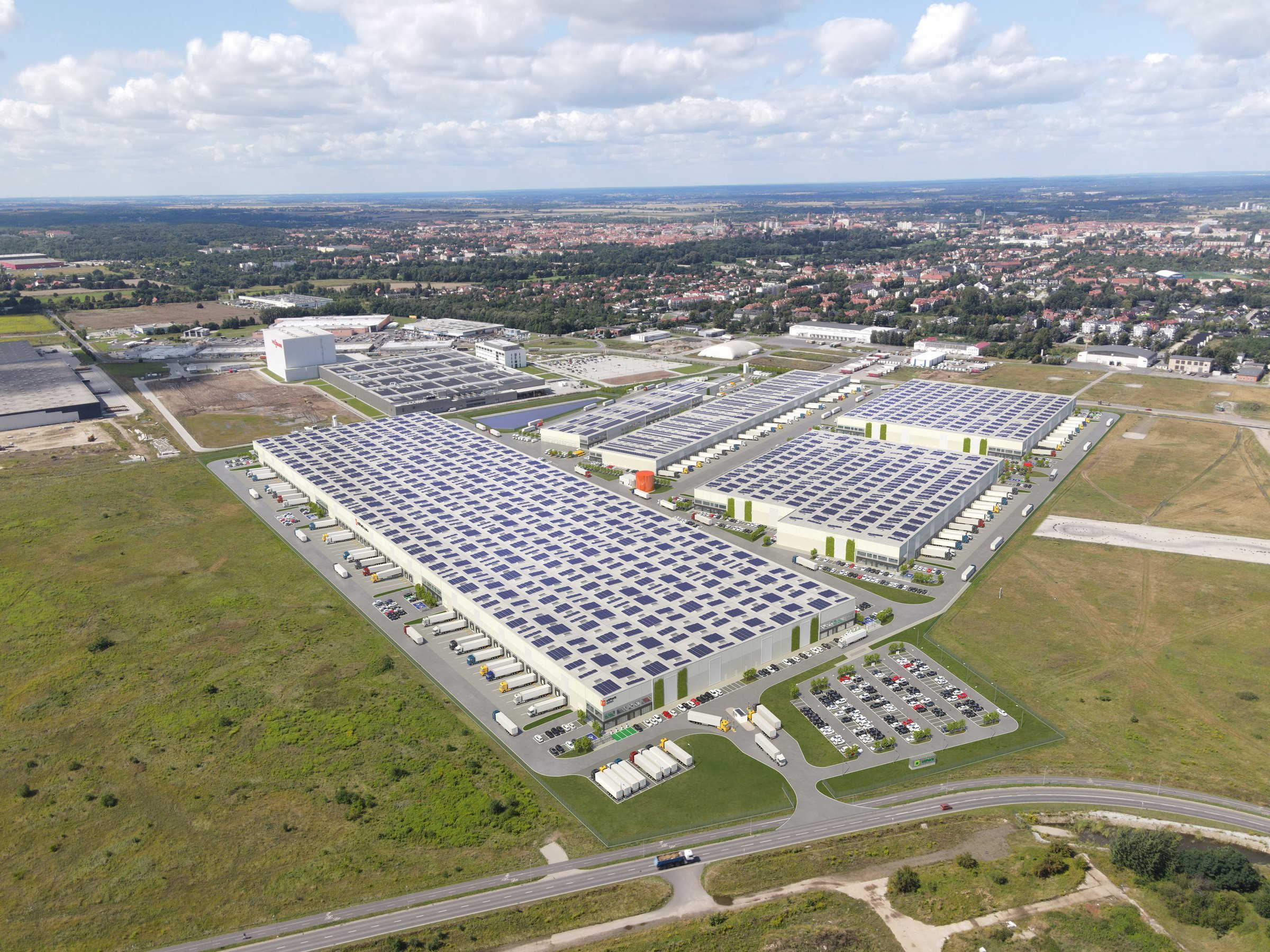
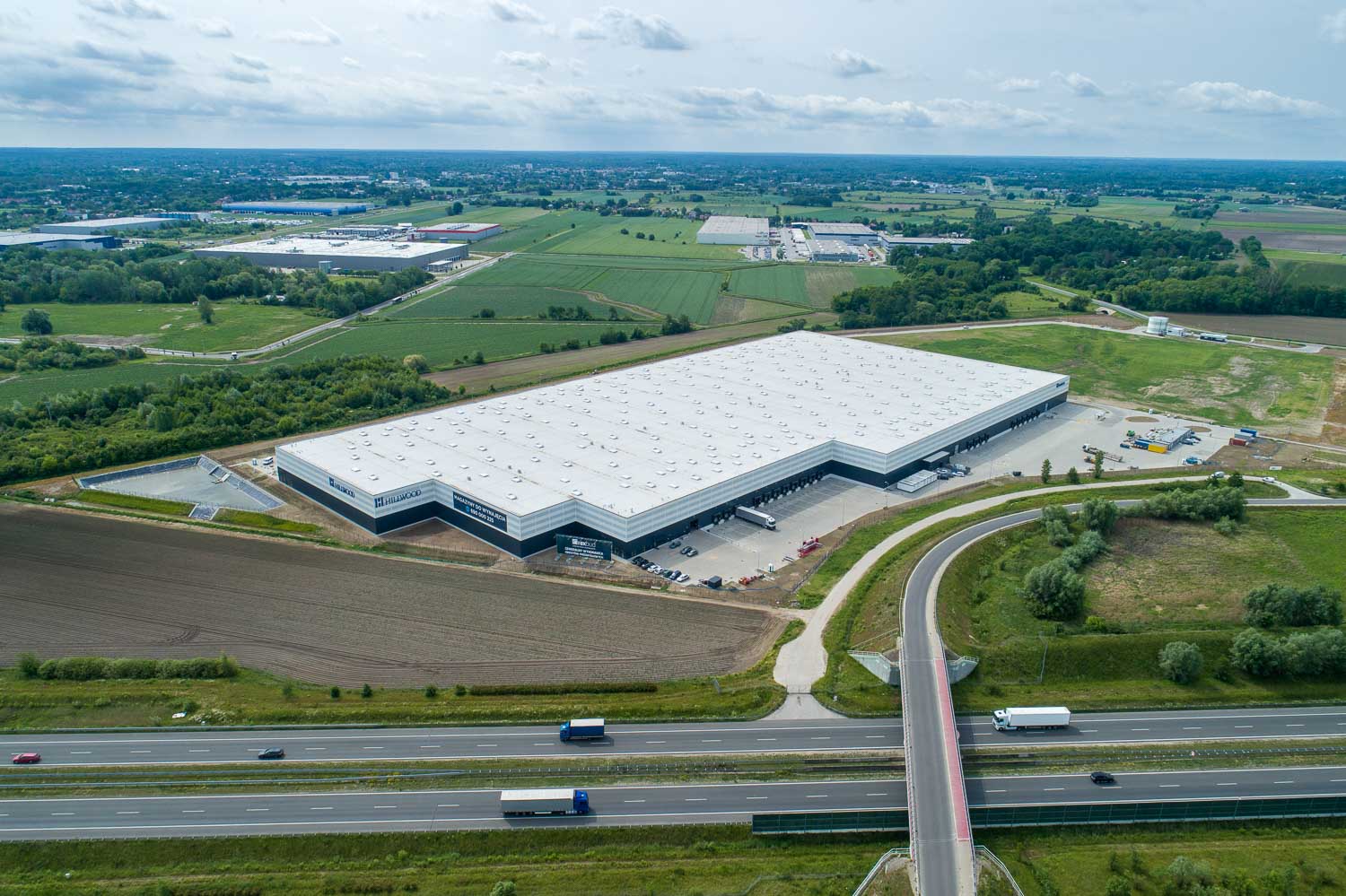
The volume of newly completed industrial space reached a total of 130,800 sqm in Q3 2025, expanding total area by 475,400 sqm since the beginning of the year. Market size thus reached almost 12.9 million sqm, representing a year-on-year increase of 5 percent. However, the completion rate does not reflect the enormous potential of buildings under construction, which currently stands at almost 1.8 million sqm. Most construction is concentrated in Prague and Central Bohemia (25.3 percent), followed by the Moravian-Silesian Region (17.2 percent) and the Karlovy Vary Region (17.1 percent), where, unlike the previous two regions, the high level is due to the ongoing construction of one large (>200,000 sqm) automated warehouse project in Cheb.
“In addition to spaces under construction, there are also a significant number of projects in various stages of approval, as well as spaces for which zoning decisions and building permits have been issued. Nearly 2.8 million sqm have been approved and are ready for construction. Another 2.6 million sqm are awaiting zoning or building permits. The total volume of potential projects is therefore approximately 5.4 million sqm, with what is under construction exceeding 7 million sqm,” calculates Miroslav Kotek, head of the industrial real estate department at Colliers.
Vacancy rate remained stable at around 4 percent
The vacancy rate, calculated in existing warehouses, remained stable at just under 4% and amounted to more than 512,500 m² in Q3 2025, representing a year-on-year increase of 94 basis points. “Despite this low vacancy rate, there is sufficient space available on the Czech market, as more than 50 percent of all properties under construction are vacant. They represent 887,200 m² of modern industrial space available in the near future,” explains Miroslav Kotek. According to him, most speculative construction is located in Prague and the Central Bohemian Region, where it amounts to 235,200 sqm, followed by the Ústí Region with 176,000 m² and the Moravian-Silesian Region with 160,300 sqm.
Gross realised demand is on track to exceed the volume of 2024
Gross take-up in the third quarter was 29 percent higher than the five-year average, reaching 608,900 sqm. Net take-up was 56 percent higher than the five-year average, reaching 470,400 sqm. Both figures were the highest since the second quarter of 2022.
Total gross take-up for 2025 reached 1.43 million sqm in the first three quarters, which is 4 percent more than the five-year average for the third quarter. The volume is also only 20,000 sqm lower than the gross take-up for the whole of 2024. Net demand of 829,900 sqm is almost the same as the five-year average (only 0.3 percent lower), and only 50,000 sqm separates it from exceeding net demand for the whole of 2024.
Prime rents remain stable for the fifth consecutive quarter
Prime rents on the Czech industrial market remained stable at €7.00–7.50/sqm/month. Rents for mezzanine office space range between €9.50 and 12.50/sqm/month. Service charges are typically around €0.75–1.00/sqm/month.
“The highest achievable rent has remained at the same level for five quarters. However, we are increasingly seeing tenants in a stronger negotiating position, which is reflected in more generous incentives offered by landlords in all regions,” comments Miroslav Kotek. In regions that have experienced greater development in recent years, such as the Moravian-Silesian Region, he says, there is a slow downward correction in rents due to a slight oversupply.