The fourth quarter of 2025 turned out to be the best in a decade for Poland’s retail real estate market. Retail parks once again took centre stage as the driving force behind growth. High levels of developer activity and a steady vacancy rate signal further room for expansion—these are the key takeaways from the BNP Paribas Real Estate Poland report, “Review. Retail Market,” for Q4 2025.
A Record-Breaking Quarter
2025 brought a noticeable revival for the domestic retail property market. Developer activity picked up steam, with over 575,000 sqm of retail space delivered, and the fourth quarter saw the biggest push – 326,000 sqm hit the market, a whopping 63 percent jump year-over-year and more than double the previous quarter. That’s the largest quarterly increase in retail space in ten years.
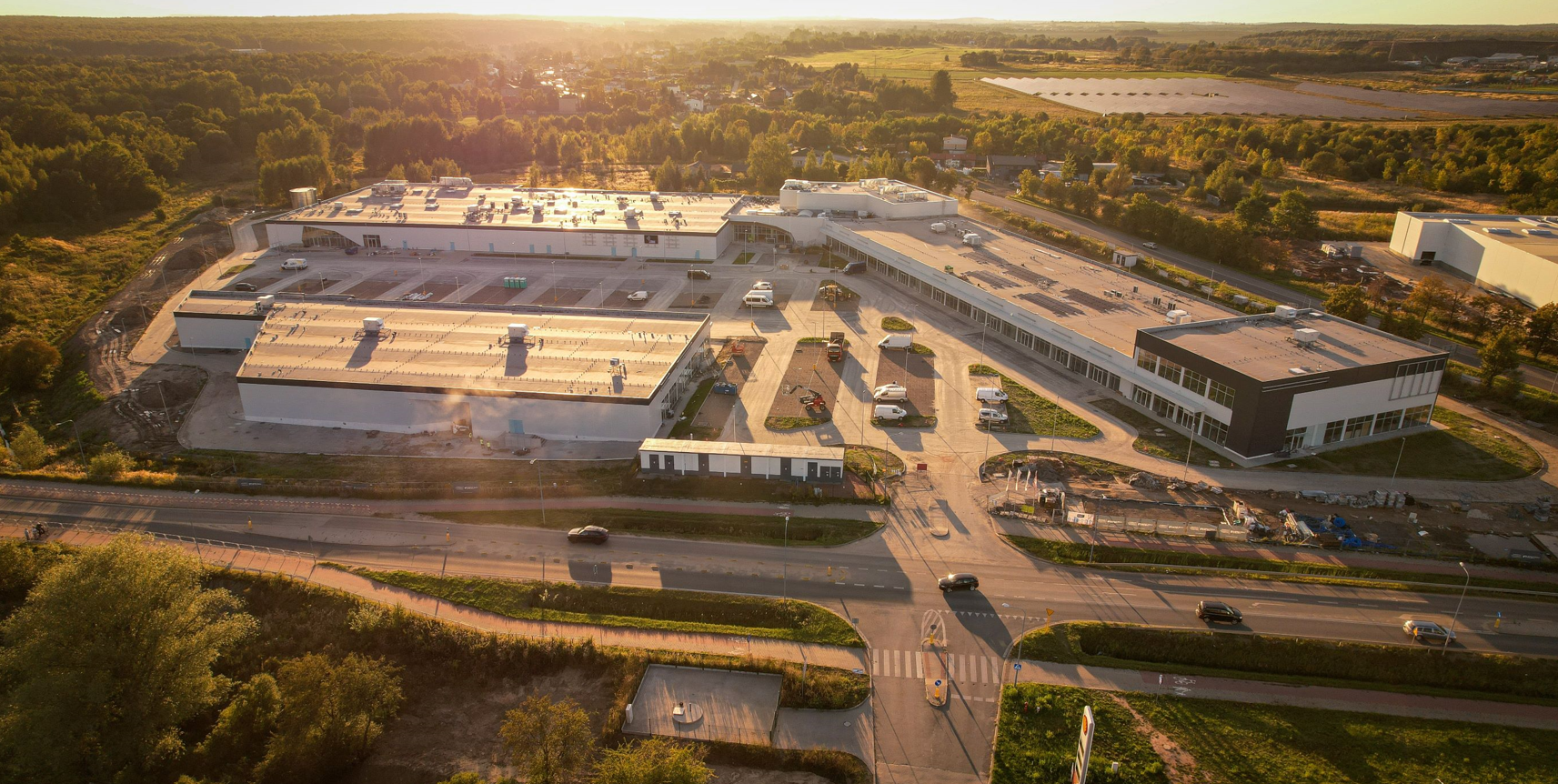
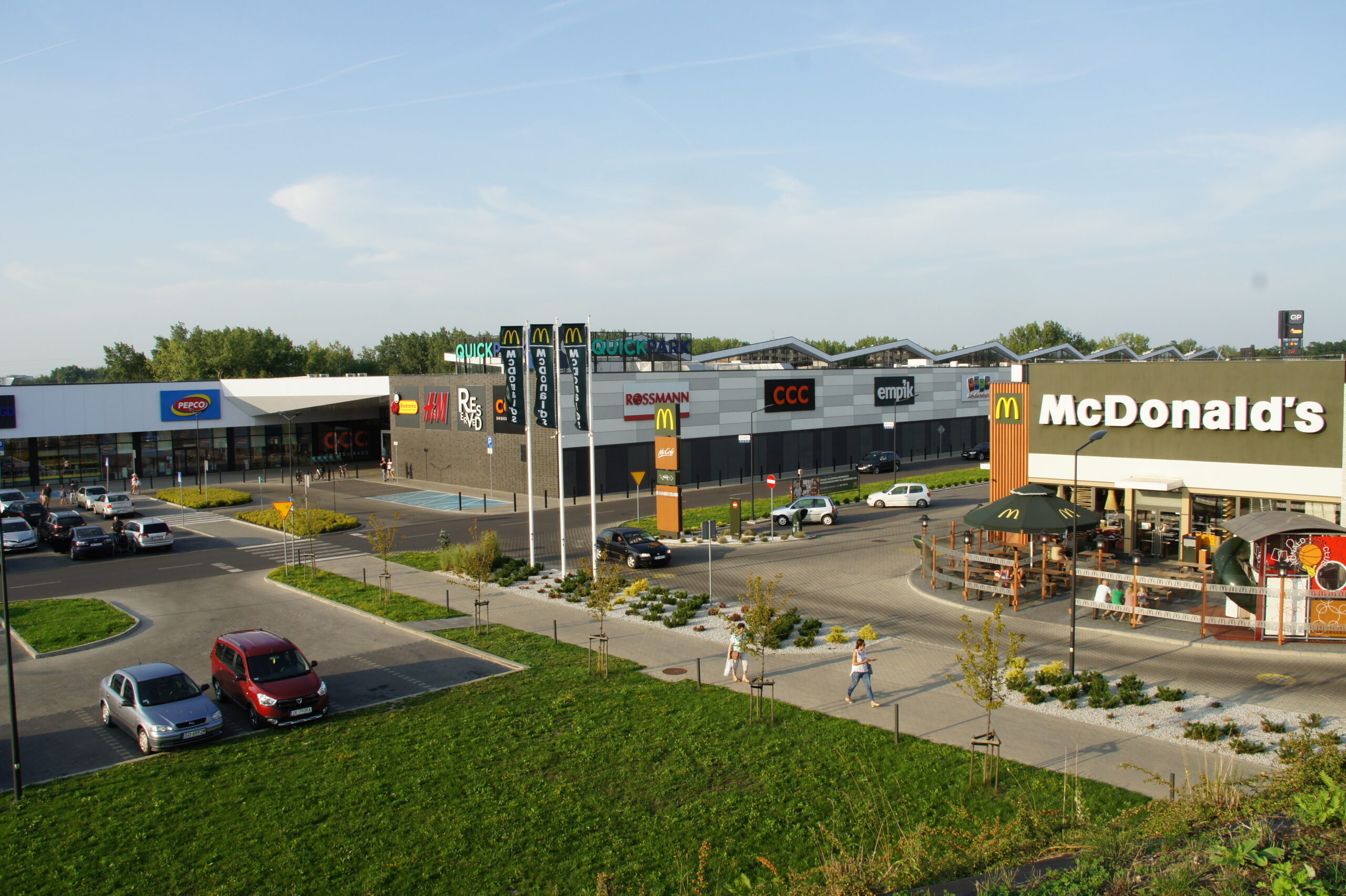
Retail parks stole the show in new supply, accounting for roughly 75 percent of all retail space opened during the year. The crown jewel of Q4 was S1 Dąbrovia in Dąbrowa Górnicza – a 17,000 sqm investment by Saller. Other notable openings included Targowa Retail Park in Lubartów (15,000 sqm), S1 Tarnowskie Góry (15,000 sqm), and Brama Jury in Zawiercie (14,000 sqm). The overall retail stock also grew thanks to the new Agata Meble store in Olsztyn (16,000 sqm).
Promising Outlook
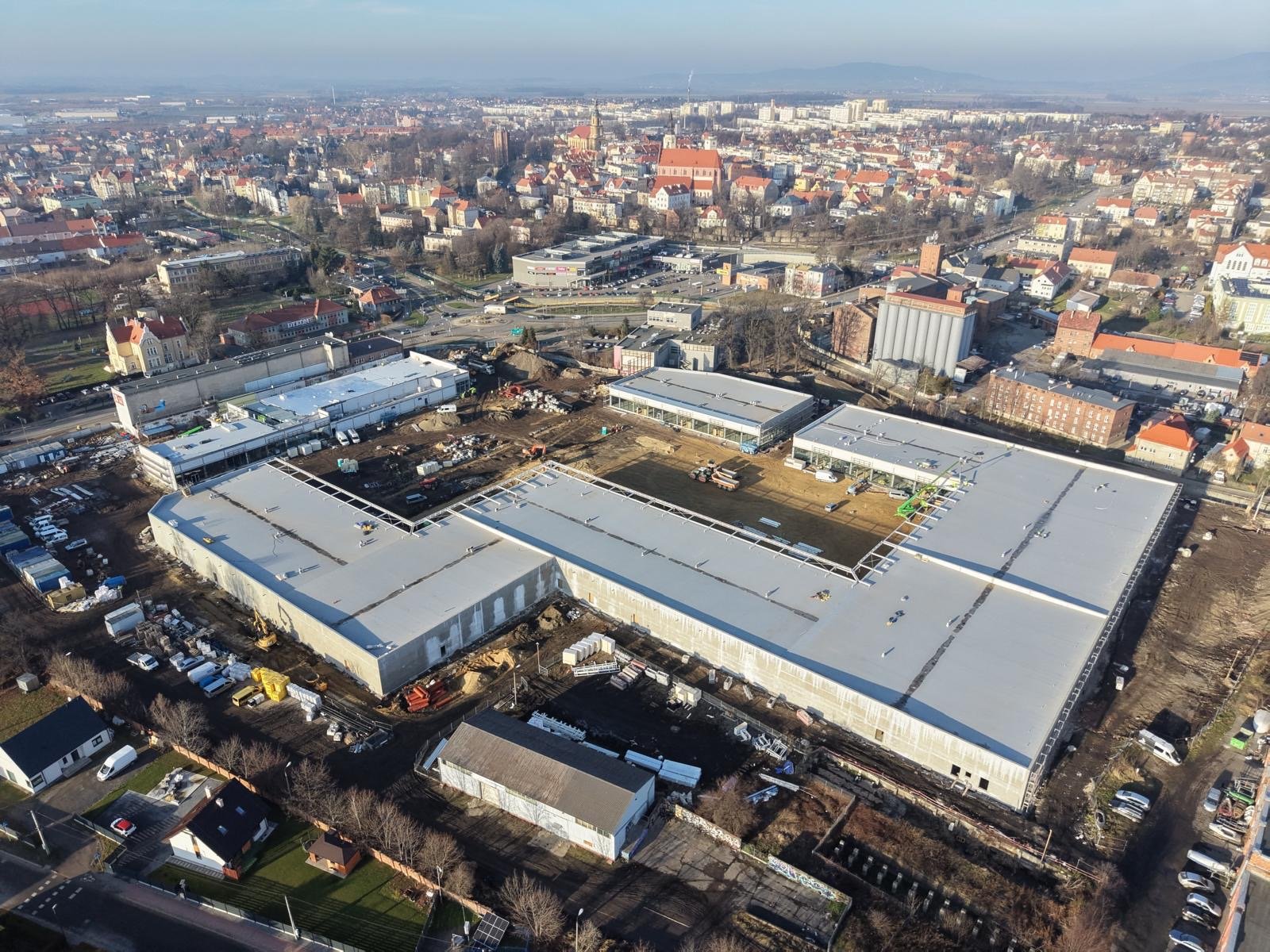
According to the BNP Paribas Real Estate Poland report, the pace of investment in the retail sector remains brisk. By the end of 2025, about 610,000 sqm of retail space was under development, including 462,000 sqm of new projects and 148,000 sqm of upgrades and expansions of existing properties.
“We’re seeing the highest construction volume in recent years. While new projects are also emerging in the largest metropolitan areas, it is the smaller cities that are absorbing a significant share of the new supply, filling local retail gaps. Looking ahead, we expect stable, ongoing growth in the retail park segment,” emphasises Fabrice Paumelle, Head of Retail at BNP Paribas Real Estate Poland.
Among the biggest properties set to open in Q3 2026 are retail parks: BIG Piła (38,000 sqm), Brama Bieszczad in Sanok (23,000 sqm), and Galeria Podhalańska in Nowy Targ (21,500 sqm).
Tenant Activity Despite Rising Rents
At the close of Q4, ten new retail chains made their market debut. Throughout 2025, 31 new brands launched brick-and-mortar operations—on par with the previous year. These figures confirm Poland’s continued strong appeal to both international and regional players, even with mounting operating costs and growing price pressures.
Analysts indicate that rents could see a modest uptick early in the new year.
“Rental rates in the most coveted locations – shopping centres, retail parks, and high street – have seen annual growth across all formats. By early 2026, rent indexation driven by inflation will reach about 3.5–4 percent, similar to 2025,” notes Anna Pływacz, Director, Retail Leasing, BNP Paribas Real Estate Poland.
Stable Vacancy Rates
Data from the first half of 2025 shows a drop in retail property vacancy rates. By the end of June, the share of unleased space was 2.8 percent, down 0.6 percentage points year-on-year.
“A stable vacancy rate confirms resilience of the Polish retail market to rising operating costs and changing consumer preferences. Owners are proactively adapting to evolving market conditions through modernisation, repositioning, and repurposing initiatives in centres with higher vacancy rates,” adds Fabrice Paumelle.
This approach means units are gradually being repurposed for new retail, services, or entertainment formats. Currently, Wrocław has the highest vacancy rate (4.1 percent), followed by Poznań (3.6 percent). Szczecin noted the lowest level (1.8 percent).
Sales Growth
In 2025, the macroeconomic environment for retail noticeably improved compared to the prior year. Retail sales at constant prices saw the strongest momentum in April and kept up the pace through the second half. According to GUS data, from January to November 2025, sales rose by 4.4 percent year-over-year. Q4’s growth was uneven – October clocked in at 5.4 percent, while November slowed to 3.1 percent, showing a gradual but patchy recovery in consumption.
Online sales also nudged upward, hitting 11 percent by the end of November – 0.3 percentage points higher than a year earlier. The year-end brought more footfall to shopping centres – with December results up 4 percent year-over-year, likely helped by three trading Sundays. But shoppers tightened their belts, and turnover in November dropped by 2.3 percent.