The investment boom currently gaining momentum in Poland’s energy sector has the potential to provide a strong growth impulse for the entire national economy, according to experts from Baker McKenzie. The energy transition may particularly benefit the construction and manufacturing sectors. However, regulatory changes improving stability and predictability in the business environment remain essential.
According to Baker McKenzie experts, the unprecedented accumulation of large-scale investments in the energy sector – as well as in industry, defence, and infrastructure – represents a major development opportunity for Poland. At the same time, it will be a test of the state’s operational efficiency.
“Poland has the potential to become a regional energy security hub and a haven for global business,” says Agnieszka Skorupińska, Partner and Head of the Sustainability and Energy Transition Practice at Baker McKenzie’s Warsaw office. “At present, however, frequent regulatory changes discourage investors and make life more difficult for entrepreneurs. Ensuring efficient, stable and cross-party legislative processes is now a matter of national interest.”
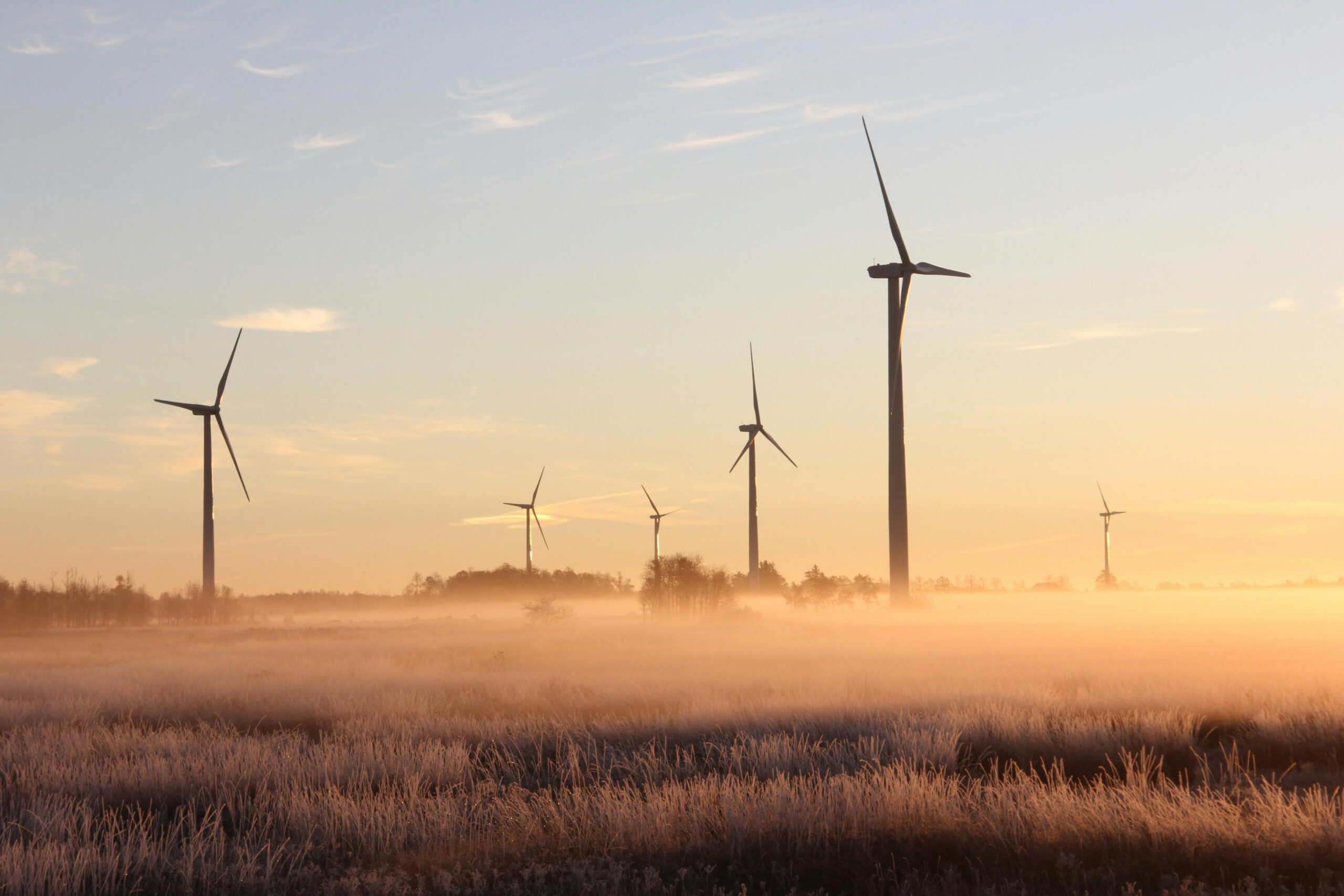
In the first three quarters of 2025, Polish energy groups invested more than PLN 19 billion, according to reports from PGE, Tauron, Enea and Energa. Their strategies for the next decade assume further investments amounting to hundreds of billions of zlotys, primarily related to the energy transition, including renewable energy sources, gas, nuclear power and energy storage. Industry is also planning energy-related investments, with companies seeking efficient, low-emission solutions such as photovoltaics and other forms of power generation.
“The energy transition is an opportunity to improve Poland’s energy conditions, making the country more attractive to foreign investors considering locations for manufacturing facilities or data centres,” adds Agnieszka Skorupińska. “In both sectors, investors are facing constraints in Western markets, which creates an opportunity for Central and Eastern Europe.”
Investments linked to the energy transition may stimulate growth across many sectors, including construction. Demand will be driven, among others, by the construction of Poland’s first nuclear power plant and accompanying infrastructure projects. The government programme adopted in June 2023 expects expenditure of approximately PLN 4.7 billion on supporting infrastructure. Implementation is planned for 2023–2029 and includes, among other projects, two railway sections, a national road, offshore construction works (the so-called MOLF), and a 400 kV substation, a key element of the transmission grid.
Baker McKenzie experts emphasise that a well-managed energy transition will help develop domestic expertise and strengthen Polish companies. As the nuclear sector develops, local firms will be able to compete in international markets.
They also note that countries competing with Poland for foreign investment have not succeeded by offering lower tax rates, but by ensuring greater regulatory certainty, faster investment procedures, more transparent administration through “one-stop-shop” systems, centralised permitting processes, and accessible information – often in languages other than the local one.
“Poland is at an investment crossroads,” says Weronika Achramowicz, Managing Partner at Baker McKenzie Poland and Co-Head of the Transactional Practice. “Low-cost, skilled labour is no longer our competitive advantage, and at the same time, we have not yet built a strong position in innovation and advanced technologies. Moreover, our geopolitical location, once seen as an asset, is now increasingly perceived as a risk, exacerbating the long-standing decline in investment as a share of GDP.”
According to Baker McKenzie, shortening investment processes is also crucial. Poland can achieve this by advocating at the EU level for simplification and reduction of formal requirements. In addition, the country lacks strong, binding strategic documents in the areas of energy and climate policy that would provide businesses with long-term visibility. Slow administrative procedures, excessive formalism and frequent legal changes hinder domestic companies and may discourage foreign investors, potentially leading to the loss of valuable, environmentally friendly projects crucial to the country’s future.