Fond Českého Bydlení SICAV/ The Czech Housing Fund (the “Fund”), specialising in investments in residential rental housing, closed last year with a major strategic milestone. The Fund expanded into Germany and acquired an extensive portfolio comprising 198 apartments in Saxony and Bavaria. As a result of these transactions, the Fund has approached the €100 million mark in total assets. Currently, the Fund manages 1,060 residential and commercial units with a total lettable area of nearly 62,000 sqm. Legal advisory services for the transactions were provided by the law firm DRV Legal.
Strategic expansion into Germany
The decision to enter the German market stems from the Fund’s portfolio diversification strategy aimed at minimising risk, as well as from the international experience of the Fund’s founders. Jakub Kořínek previously managed the activities of the Penta Investments financial group in the German and Austrian markets, while Tomáš Novák focuses on the real estate market in the United States.
“The situation in Germany is completely different from that in the Czech Republic. The share of rental housing exceeds 52 percent and continues to grow. We are entering the market at a time when property prices have not yet reached their 2022 levels and are still in the early phase of an upward trend. Moreover, unlike in the Czech Republic, the market is much better at reflecting the energy efficiency of apartment buildings in rental prices. This allows the Fund to capitalise on its experience with energy savings and significantly increase the value of acquired properties. The absolute price per square meter is very favourable, even compared to the Czech Republic,” says Jakub Kořínek, co-founder of Fond Českého Bydlení.
“Following the completion of the acquisition, German projects now account for approximately 22.5 percent of our portfolio and have become a significant component of it,” adds Tomáš Novák, co-founder of Fond Českého Bydlení. “We believe that, in some cases, rents can still be gradually adjusted toward prevailing market levels in the respective localities. Over time, this can support both the value of the properties and their financial performance.”
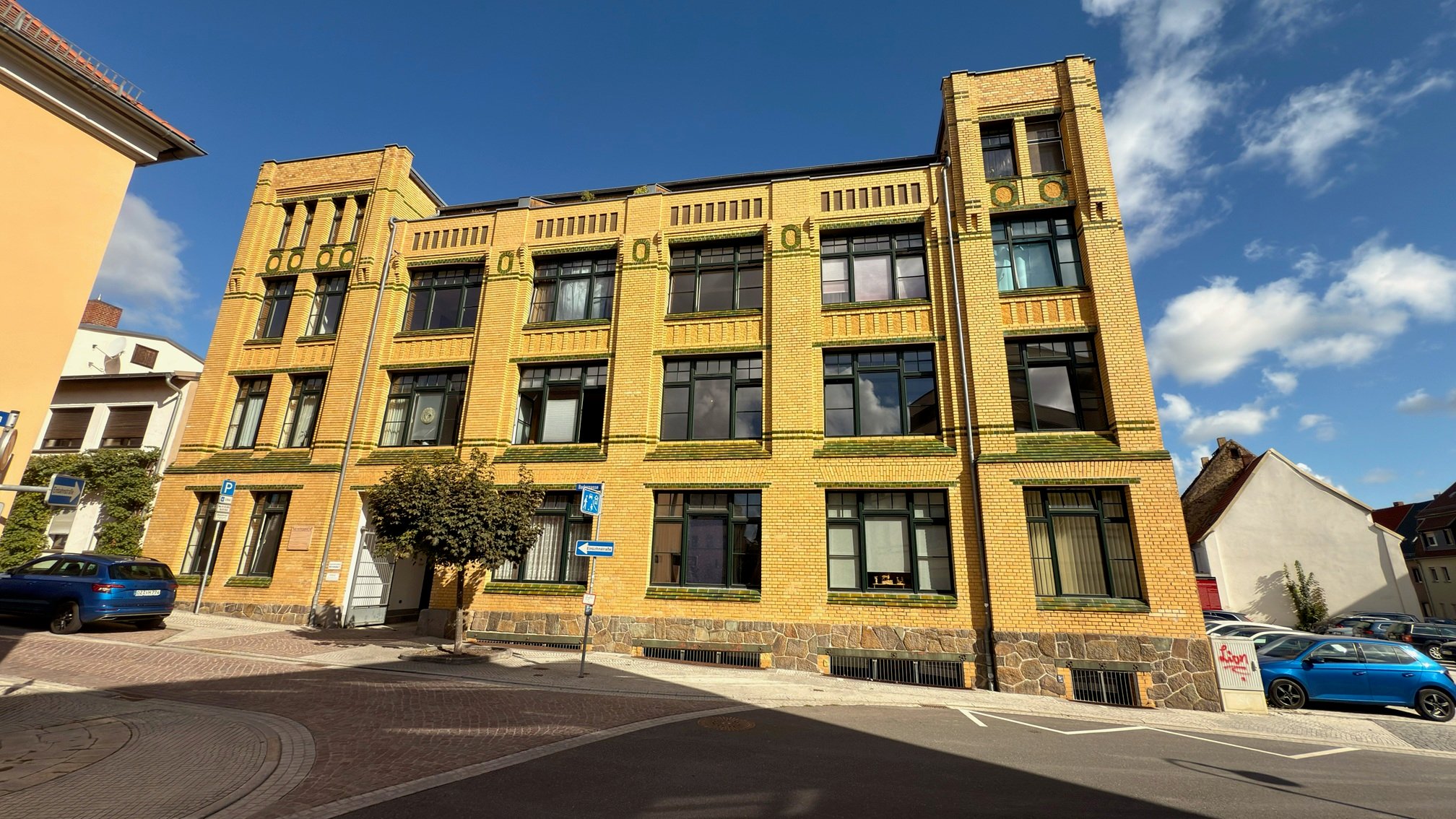
The residential buildings are located in the catchment areas of Dresden and Leipzig, primarily in the towns of Freiberg, Oschatz, and Riesa, as well as in the Bavarian city of Bayreuth. These are prosperous regions close to the Czech border, enabling strong synergies in the management of the Czech and German parts of the Fund’s portfolio, including construction works. The cities offer high-quality infrastructure, civic amenities, and stable employment environments, key factors for the future investment potential of the new acquisitions.
Renovations and long-term strategy
The Fund plans to gradually modernise the newly acquired residential buildings, thereby increasing their value and rental yields. The renovations will be carried out by proven Czech companies with which the Fund already cooperates, for example, in the Ústí nad Labem region, allowing costs to be reduced compared to German contractors.
“The experience and reputation gained in the German market will open the door to further investments in Europe’s largest rental housing market. We are aware that as the Fund’s assets grow, the Czech market, with its limited size and high fragmentation, will eventually become too small for us. Expansion into Germany is therefore a logical step. At the same time, we are in an advanced stage of additional acquisitions on the Czech market, and I expect further portfolio expansion in the near future,” concludes Jakub Kořínek.